
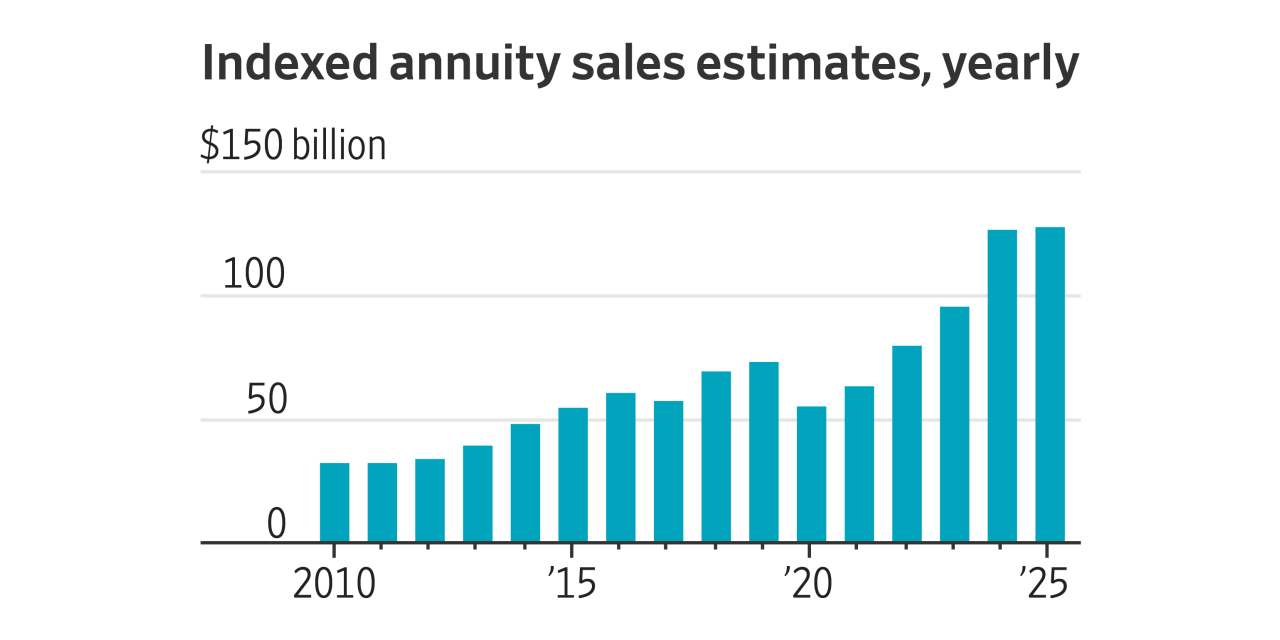
The Sleepy Insurance Product That Came to Power Private Credit’s Ascent
Wall Street Journal reports that private credit’s rapid expansion is increasingly underpinned by a niche insurance product designed to mitigate counterparty risks.
The story
in brief.
What happened, who it affects, and why it landed on our intelligence desk — in plain English, sixty seconds or less.
Wall Street Journal reports that private credit’s rapid expansion is increasingly underpinned by a niche insurance product designed to mitigate counterparty risks. This mechanism allows lenders to deploy capital more aggressively by transferring specific default liabilities to insurers. The story highlights how this financial innovation, previously overlooked, now plays a pivotal role in sustaining the asset class’s growth. For professionals, it signals a structural shift in how private debt is underwritten and managed, creating new intersections between traditional lending, alternative asset management, and specialty insurance underwriting within the broader financial services landscape.
Indicative index of skill mentions in professional job postings for the field this story moves (2019 = 1)
What this means
for your career.
Every headline redistributes opportunity. Here is who this one rewards — and how to be on the right side of it.
This development elevates the value of hybrid expertise bridging private debt and risk transfer mechanisms. You must understand how insurance structures influence credit pricing and portfolio resilience. Professionals in private equity, debt funds, and specialty insurance should prioritise upskilling in credit analysis and regulatory compliance. If you are in finance, study how collateralised structures interact with insurance derivatives. For risk managers, focus on modelling tail risks in illiquid assets. A smart professional would immediately audit their knowledge of alternative credit instruments and pursue certifications in advanced risk management. This niche offers significant career leverage for those who can navigate the complex interplay between lending, insurance, and regulatory frameworks in an increasingly opaque market.
For this story, the fields that convert it into pay are Risk Management, Finance, Finance and Accounting and Business and Management — exactly the programmes matched below. The chart shows the indicative salary uplift certified professionals report in each of those fields; every one of them is a click away, from £79, finishing in as few as 20 days.
Indicative ranges from published continuing-education salary studies, by field — each field is a recommended course below
Enrol in these
to benefit.
These programmes position you for exactly this shift — online, self-paced, and finishing with a verifiable certificate you can share the day you pass.
 Best match
Certificate in Risk Management
Recommended
Certificate in Finance
Recommended
Certificate in Finance and Accounting
 Recommended
Certificate in Business and Management
Launch pricing shown against standard certificate value. The fee you see today is the fee you lock in.
This briefing is based on reporting by WSJ on 11 Oct, 02:46. Read the original coverage →
Read the news. Then outrun it.
Every LSBR programme is online, self-paced and from £79 — so a headline today can be your credential this month.
