
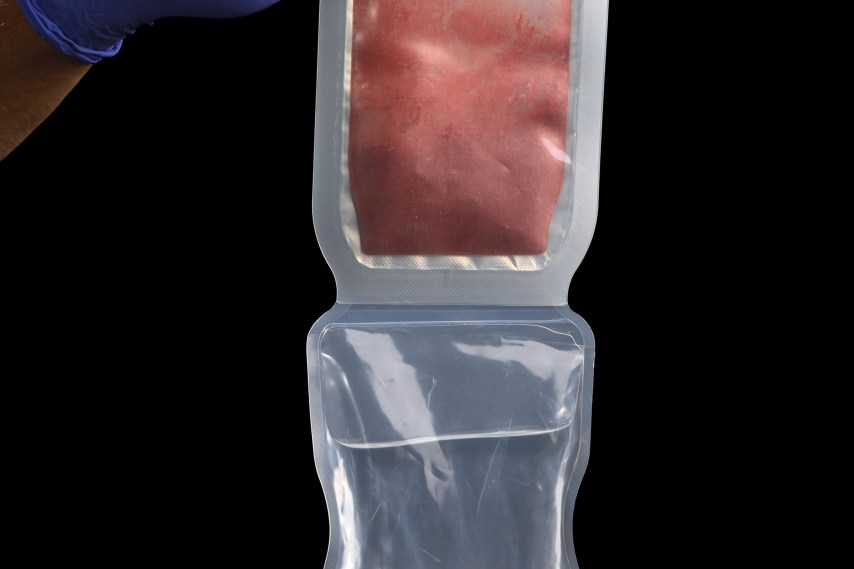
The US military’s race to make fake blood
The US military is accelerating research into synthetic blood substitutes to address critical shortages in trauma care.
The story
in brief.
What happened, who it affects, and why it landed on our intelligence desk — in plain English, sixty seconds or less.
The US military is accelerating research into synthetic blood substitutes to address critical shortages in trauma care. This initiative aims to create shelf-stable, universally compatible alternatives to donor blood, potentially saving lives in combat and civilian emergencies. The project involves complex biochemical engineering and rigorous clinical validation. For professionals, this highlights a growing intersection between advanced materials science, biotechnology, and defence logistics. It signals increased investment in medical innovation driven by national security needs, creating new opportunities in regulatory affairs, supply chain resilience, and biomedical research within both public and private sectors.
Indicative index of skill mentions in professional job postings for the field this story moves (2019 = 1)
What this means
for your career.
Every headline redistributes opportunity. Here is who this one rewards — and how to be on the right side of it.
This development elevates the strategic value of expertise in biomedical engineering and regulatory compliance. If you operate in healthcare management or supply chain logistics, you must monitor how synthetic alternatives disrupt traditional blood banking models. Professionals in data science and AI should explore predictive modelling for tissue viability. Smart practitioners will upskill in biotechnology ethics and clinical trial design. Consider auditing your current network for connections in defence contracting or medical device regulation. Diversifying your portfolio to include knowledge of advanced material sciences will future-proof your career against shifts in emergency medical infrastructure. Prioritise continuous learning in these niche areas to capitalise on emerging procurement contracts.
For this story, the fields that convert it into pay are Healthcare Management, Supply Chain, Engineering and Data Science — exactly the programmes matched below. The chart shows the indicative salary uplift certified professionals report in each of those fields; every one of them is a click away, from £79, finishing in as few as 20 days.
Indicative ranges from published continuing-education salary studies, by field — each field is a recommended course below
Enrol in these
to benefit.
These programmes position you for exactly this shift — online, self-paced, and finishing with a verifiable certificate you can share the day you pass.
 Best match
Certificate in Healthcare Management
 Recommended
Certificate in Supply Chain
 Recommended
Certificate in Engineering
 Recommended
Certificate in Data Science
Launch pricing shown against standard certificate value. The fee you see today is the fee you lock in.
This briefing is based on reporting by MIT Technology Review on 14 Oct, 09:00. Read the original coverage →
Read the news. Then outrun it.
Every LSBR programme is online, self-paced and from £79 — so a headline today can be your credential this month.
