
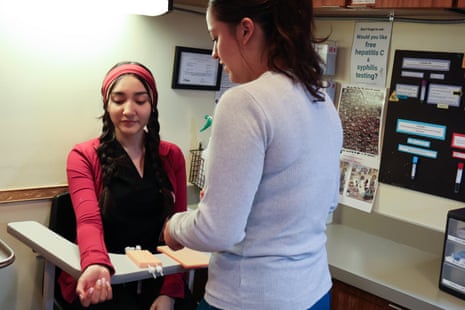
The US urgently needs more bilingual healthcare workers. This clinic might have the solution
A Guardian report highlights the critical shortage of bilingual healthcare workers in the US, noting that language barriers significantly impede patient care and safety.
The story
in brief.
What happened, who it affects, and why it landed on our intelligence desk — in plain English, sixty seconds or less.
A Guardian report highlights the critical shortage of bilingual healthcare workers in the US, noting that language barriers significantly impede patient care and safety. It features a specific clinic implementing innovative training and recruitment strategies to bridge this gap. The piece examines how integrating linguistic competency with clinical skills can improve health outcomes for diverse populations. This development underscores the systemic challenges within the American healthcare infrastructure regarding workforce diversity and the urgent need for scalable solutions to address unmet demand for multilingual medical professionals in underserved communities.
Indicative index of skill mentions in professional job postings for the field this story moves (2019 = 1)
What this means
for your career.
Every headline redistributes opportunity. Here is who this one rewards — and how to be on the right side of it.
This shift elevates the market value of bilingual clinical skills, making language proficiency a key differentiator for healthcare roles. If you work in patient-facing positions, upskilling in medical terminology alongside a second language is a strategic move. Professionals in Health and Social Care should monitor recruitment trends in diverse urban centres, where demand is highest. Consider pursuing certifications in cross-cultural communication or specific language modules relevant to your local demographic. For managers, integrating linguistic diversity into staffing plans is no longer optional but essential for compliance and care quality. Proactively aligning your skill set with these bilingual requirements positions you for accelerated career growth and greater job security in an increasingly multicultural healthcare landscape.
For this story, the fields that convert it into pay are Healthcare Management, Health and Social Care, Healthcare and Human Resources — exactly the programmes matched below. The chart shows the indicative salary uplift certified professionals report in each of those fields; every one of them is a click away, from £79, finishing in as few as 20 days.
Indicative ranges from published continuing-education salary studies, by field — each field is a recommended course below
Enrol in these
to benefit.
These programmes position you for exactly this shift — online, self-paced, and finishing with a verifiable certificate you can share the day you pass.
 Best match
Certificate in Healthcare Management
 Recommended
Certificate in Health and Social Care
 Recommended
Certificate in Healthcare
Recommended
Certificate in Human Resources
Launch pricing shown against standard certificate value. The fee you see today is the fee you lock in.
This briefing is based on reporting by The Guardian on 27 Oct, 11:02. Read the original coverage →
Read the news. Then outrun it.
Every LSBR programme is online, self-paced and from £79 — so a headline today can be your credential this month.
