
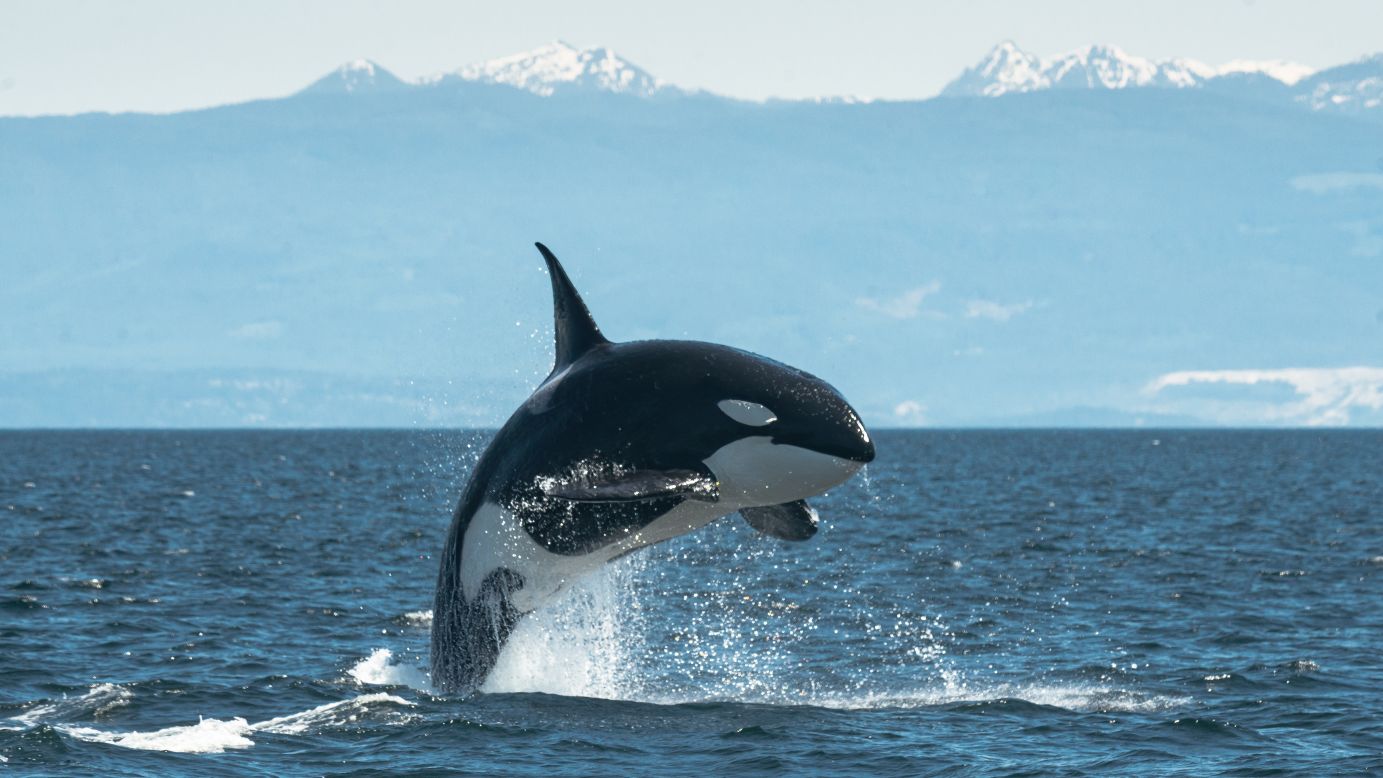
These rare killer whales are threatened by shipping noise. AI is turning down the din
A recent CNN report highlights how artificial intelligence is being deployed to mitigate the threat shipping noise poses to rare killer whale populations.
The story
in brief.
What happened, who it affects, and why it landed on our intelligence desk — in plain English, sixty seconds or less.
A recent CNN report highlights how artificial intelligence is being deployed to mitigate the threat shipping noise poses to rare killer whale populations. The technology actively reduces acoustic pollution in marine environments, offering a novel solution to a critical conservation challenge. This development illustrates the expanding application of AI beyond commercial sectors into ecological preservation. For professionals, it signals a growing intersection between advanced technology and environmental stewardship, demonstrating how data-driven tools can address complex, real-world sustainability issues with precision and efficiency.
Indicative index of skill mentions in professional job postings for the field this story moves (2019 = 1)
What this means
for your career.
Every headline redistributes opportunity. Here is who this one rewards — and how to be on the right side of it.
This story signals that environmental technology is becoming a viable and impactful career path. You should recognise that skills in acoustic data analysis and machine learning application are rising in value. If you work in engineering or data science, explore how your expertise can serve conservation goals. Professionals in project management must understand regulatory frameworks for marine noise. A smart move is to upskill in AI strategy tailored for sustainability. Monitor emerging roles in environmental tech firms. This sector demands interdisciplinary thinking, so bridge your technical knowledge with ecological awareness. By positioning yourself at this intersection, you future-proof your career against traditional market fluctuations and contribute to meaningful global challenges.
For this story, the fields that convert it into pay are Artificial Intelligence, Data Science, Engineering and Risk Management — exactly the programmes matched below. The chart shows the indicative salary uplift certified professionals report in each of those fields; every one of them is a click away, from £79, finishing in as few as 20 days.
Indicative ranges from published continuing-education salary studies, by field — each field is a recommended course below
Enrol in these
to benefit.
These programmes position you for exactly this shift — online, self-paced, and finishing with a verifiable certificate you can share the day you pass.
 Best match
Certificate in Artificial Intelligence
 Recommended
Certificate in Data Science
 Recommended
Certificate in Engineering
Recommended
Certificate in Risk Management
Launch pricing shown against standard certificate value. The fee you see today is the fee you lock in.
This briefing is based on reporting by CNN on 5 Nov, 09:07. Read the original coverage →
Read the news. Then outrun it.
Every LSBR programme is online, self-paced and from £79 — so a headline today can be your credential this month.
