
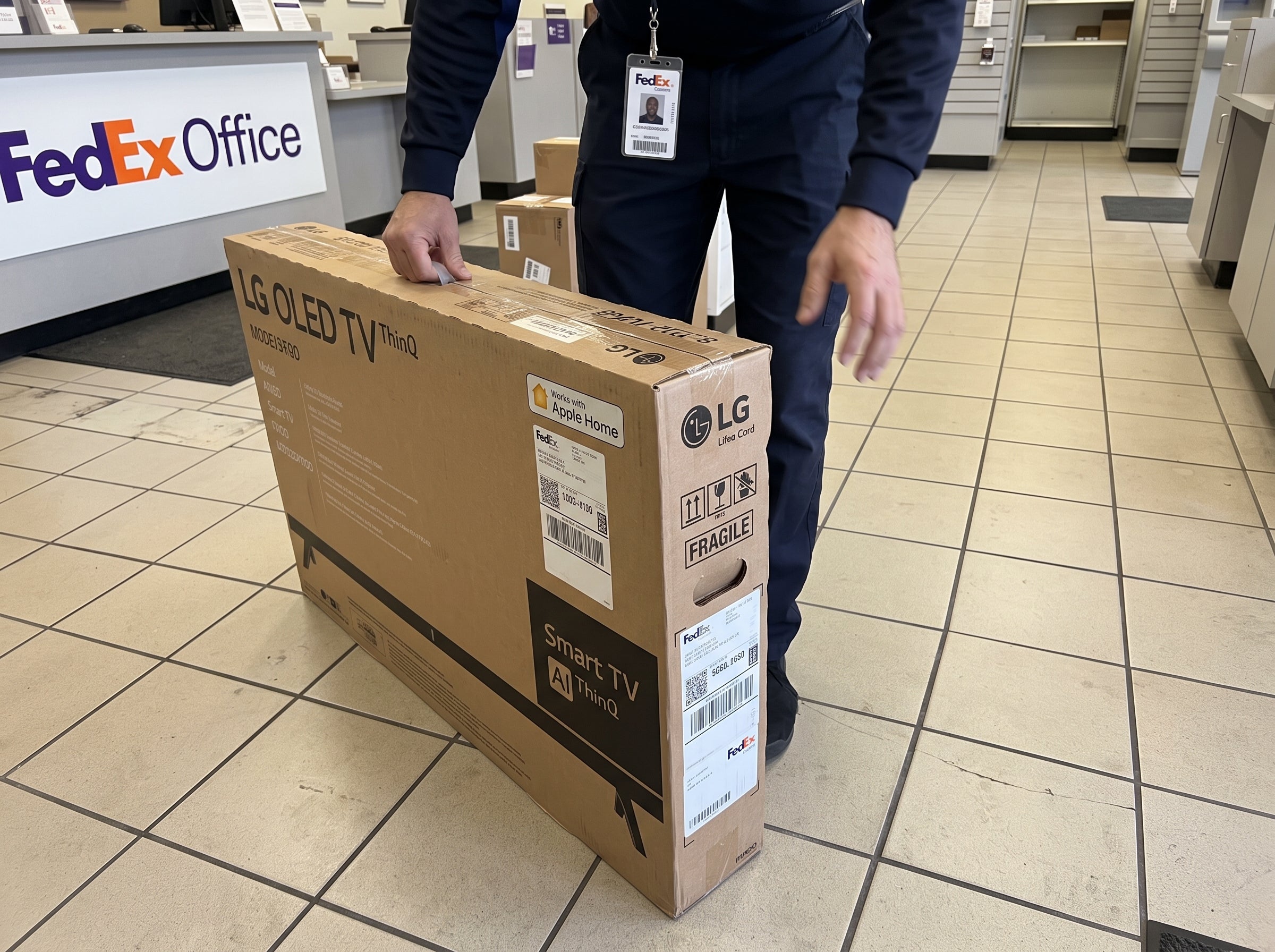
This Photo Is an A.I. Fake. Can You Tell?
The New York Times has published an article highlighting the increasing sophistication of artificial intelligence-generated imagery.
The story
in brief.
What happened, who it affects, and why it landed on our intelligence desk — in plain English, sixty seconds or less.
The New York Times has published an article highlighting the increasing sophistication of artificial intelligence-generated imagery. The piece challenges readers to distinguish between authentic photographs and AI-created fakes, demonstrating how difficult this task has become for the average observer. This development underscores a growing concern regarding the reliability of visual information in digital media. For professionals, it signals a critical shift in how evidence and authenticity are perceived online. The story serves as a timely reminder that visual verification is no longer intuitive, requiring new skills and tools to navigate an information landscape where synthetic media can easily mimic reality, impacting trust in digital communications.
Indicative index of skill mentions in professional job postings for the field this story moves (2019 = 1)
What this means
for your career.
Every headline redistributes opportunity. Here is who this one rewards — and how to be on the right side of it.
You must adapt quickly to this shifting landscape where visual trust is eroding. Traditional media literacy is no longer sufficient; you need technical skills to verify digital content. Roles in compliance, communications, and legal sectors face immediate risks from deepfakes and synthetic media. You should prioritise upskilling in digital forensics and AI ethics to protect your organisation’s reputation. Smart professionals will implement rigorous verification protocols and advocate for transparent AI usage policies. Focus on developing critical thinking and technical validation skills. This is not just a tech issue; it is a strategic risk management imperative. By mastering these areas, you position yourself as a guardian of integrity in your field, ensuring your team can navigate misinformation confidently and maintain stakeholder trust in an era of synthetic reality.
For this story, the fields that convert it into pay are Cyber Security, AI Strategy, Risk Management and Business and Management — exactly the programmes matched below. The chart shows the indicative salary uplift certified professionals report in each of those fields; every one of them is a click away, from £79, finishing in as few as 20 days.
Indicative ranges from published continuing-education salary studies, by field — each field is a recommended course below
Enrol in these
to benefit.
These programmes position you for exactly this shift — online, self-paced, and finishing with a verifiable certificate you can share the day you pass.
 Best match
Certificate in Cyber Security
 Recommended
Certificate in AI Strategy
 Recommended
Certificate in Risk Management
 Recommended
Certificate in Business and Management
Launch pricing shown against standard certificate value. The fee you see today is the fee you lock in.
This briefing is based on reporting by The New York Times on 8 Oct, 09:00. Read the original coverage →
Read the news. Then outrun it.
Every LSBR programme is online, self-paced and from £79 — so a headline today can be your credential this month.
