
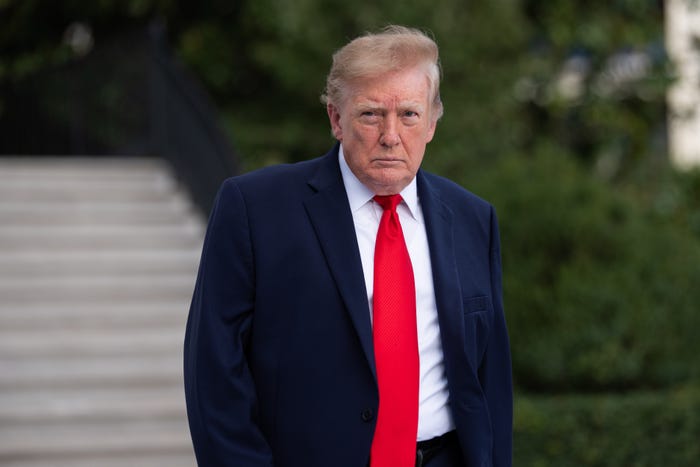
Trump's decision to import Russian diesel is an 'incentive to end the war,' energy secretary says
The US Energy Secretary has defended President Trump’s decision to import Russian diesel, framing the move as a strategic incentive to conclude the ongoing war.
The story
in brief.
What happened, who it affects, and why it landed on our intelligence desk — in plain English, sixty seconds or less.
The US Energy Secretary has defended President Trump’s decision to import Russian diesel, framing the move as a strategic incentive to conclude the ongoing war. This policy shift represents a significant departure from previous sanctions-based approaches, prioritising immediate energy market stability and diplomatic leverage over traditional isolationist measures. For professionals, this signals a complex intersection of geopolitics, energy security, and international trade policy. The administration argues that engaging with Russian energy supplies could de-escalate tensions, though the decision remains controversial. Understanding the nuances of this policy is crucial for those operating in sectors sensitive to global energy flows and international relations.
Indicative index of skill mentions in professional job postings for the field this story moves (2019 = 1)
What this means
for your career.
Every headline redistributes opportunity. Here is who this one rewards — and how to be on the right side of it.
You must now navigate a landscape where energy policy directly influences geopolitical stability. Professionals in supply chain, finance, and risk management should closely monitor how shifting trade agreements affect commodity prices and regulatory compliance. Your next step is to deepen your expertise in international trade law and energy market dynamics. Consider upskilling in strategic sourcing to anticipate supply disruptions or opportunities. You should also analyse the long-term implications for global logistics and compliance frameworks. By staying informed on these policy shifts, you can advise your organisation on mitigating risks and capitalising on emerging trade routes. Proactive adaptation to these geopolitical changes will distinguish you as a forward-thinking leader capable of managing complex international business environments.
For this story, the fields that convert it into pay are Supply Chain, Risk Management, Strategic Sourcing and Law — exactly the programmes matched below. The chart shows the indicative salary uplift certified professionals report in each of those fields; every one of them is a click away, from £79, finishing in as few as 20 days.
Indicative ranges from published continuing-education salary studies, by field — each field is a recommended course below
Enrol in these
to benefit.
These programmes position you for exactly this shift — online, self-paced, and finishing with a verifiable certificate you can share the day you pass.
 Best match
Certificate in Supply Chain
 Recommended
Certificate in Risk Management
Recommended
Certificate in Strategic Sourcing
Recommended
Certificate in Law
Launch pricing shown against standard certificate value. The fee you see today is the fee you lock in.
This briefing is based on reporting by Business Insider on 18 Oct, 18:37. Read the original coverage →
Read the news. Then outrun it.
Every LSBR programme is online, self-paced and from £79 — so a headline today can be your credential this month.
