
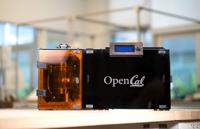
UC Berkeley researchers release 3D printing technology for public use
Researchers at UC Berkeley have made their novel three-dimensional printing technology available for public use.
The story
in brief.
What happened, who it affects, and why it landed on our intelligence desk — in plain English, sixty seconds or less.
Researchers at UC Berkeley have made their novel three-dimensional printing technology available for public use. This open-access initiative allows individuals and organisations to utilise the advanced manufacturing methods without restrictive licensing barriers. The development signifies a shift towards democratising high-level prototyping and production capabilities. Professionals across various sectors can now access these tools to accelerate design iterations and reduce costs. The release aims to foster broader innovation by removing financial and legal hurdles associated with proprietary industrial printing systems. This move potentially lowers the entry threshold for small enterprises and independent creators seeking to leverage additive manufacturing for complex projects.
Indicative index of skill mentions in professional job postings for the field this story moves (2019 = 1)
What this means
for your career.
Every headline redistributes opportunity. Here is who this one rewards — and how to be on the right side of it.
You should view this as a significant opportunity to enhance your technical versatility. As 3D printing becomes more accessible, roles requiring rapid prototyping and custom manufacturing skills will gain prominence. You need to understand how to integrate these tools into your workflow, whether for product design or operational efficiency. Focus on learning additive manufacturing principles and digital fabrication techniques. Professionals in engineering, design, and operations should prioritise upskilling in this area. A smart move is to experiment with open-source printing technologies immediately. This practical experience will differentiate you in the job market. You must demonstrate the ability to translate digital designs into physical products efficiently. Embrace this shift to stay ahead of competitors who rely on traditional, slower manufacturing methods. Your adaptability to new production technologies will define your career trajectory.
For this story, the fields that convert it into pay are Engineering, Innovation, Project Management and AI in Manufacturing — exactly the programmes matched below. The chart shows the indicative salary uplift certified professionals report in each of those fields; every one of them is a click away, from £79, finishing in as few as 20 days.
Indicative ranges from published continuing-education salary studies, by field — each field is a recommended course below
Enrol in these
to benefit.
These programmes position you for exactly this shift — online, self-paced, and finishing with a verifiable certificate you can share the day you pass.
 Best match
Certificate in Engineering
 Recommended
Certificate in Innovation
 Recommended
Certificate in Project Management
 Recommended
Certificate in AI in Manufacturing
Launch pricing shown against standard certificate value. The fee you see today is the fee you lock in.
This briefing is based on reporting by Daily Cal on 23 Oct, 13:00. Read the original coverage →
Read the news. Then outrun it.
Every LSBR programme is online, self-paced and from £79 — so a headline today can be your credential this month.
