
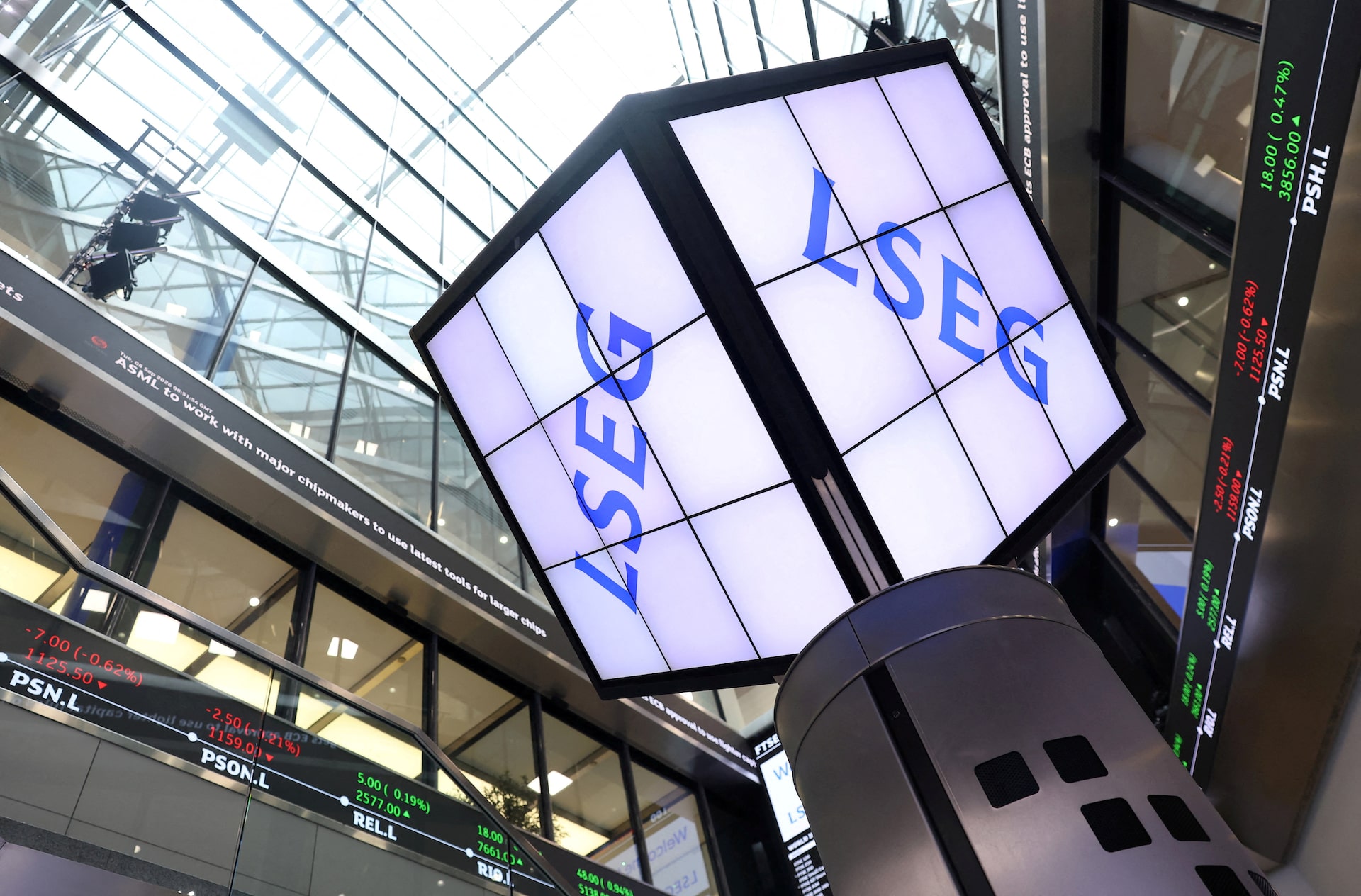
UK stocks slip as banks and commodity-linked stocks weigh
UK equity markets experienced a downturn as performance in the banking sector and commodity-linked equities declined.
The story
in brief.
What happened, who it affects, and why it landed on our intelligence desk — in plain English, sixty seconds or less.
UK equity markets experienced a downturn as performance in the banking sector and commodity-linked equities declined. This movement reflects broader market sentiment where financial institutions and resource-heavy industries faced selling pressure. Investors responded to these sector-specific weaknesses, causing the overall index to slip. The report highlights the volatility affecting traditional heavyweights within the London Stock Exchange. For professionals tracking market trends, this indicates a period of caution. The decline suggests underlying concerns regarding interest rate impacts on banks and global supply dynamics affecting commodity prices. Understanding these shifts is crucial for maintaining accurate financial models and strategic planning during periods of market uncertainty.
Indicative index of skill mentions in professional job postings for the field this story moves (2019 = 1)
What this means
for your career.
Every headline redistributes opportunity. Here is who this one rewards — and how to be on the right side of it.
This market shift directly impacts your career trajectory, especially if you work in finance or commodities. Volatility demands sharper analytical skills; focus on enhancing your proficiency in Risk Management and Financial Modelling. Professionals in banking should anticipate tighter lending standards, making compliance and regulatory knowledge more valuable. If you are in commodities, supply chain resilience becomes critical. Smart professionals will now prioritise upskilling in data-driven decision-making to navigate uncertainty. Review your current portfolio or company strategy for exposure to these sectors. Consider courses that strengthen your ability to interpret market signals. By mastering these areas, you position yourself as a strategic asset capable of mitigating risk and identifying opportunities amidst economic fluctuations. Stay proactive rather than reactive.
For this story, the fields that convert it into pay are Risk Management, Finance, Business and Management and Data analytics — exactly the programmes matched below. The chart shows the indicative salary uplift certified professionals report in each of those fields; every one of them is a click away, from £79, finishing in as few as 20 days.
Indicative ranges from published continuing-education salary studies, by field — each field is a recommended course below
Enrol in these
to benefit.
These programmes position you for exactly this shift — online, self-paced, and finishing with a verifiable certificate you can share the day you pass.
 Best match
Certificate in Risk Management
Recommended
Certificate in Finance
 Recommended
Certificate in Business and Management
Recommended
Certificate in Data analytics
Launch pricing shown against standard certificate value. The fee you see today is the fee you lock in.
This briefing is based on reporting by Reuters on 20 Oct, 16:24. Read the original coverage →
Read the news. Then outrun it.
Every LSBR programme is online, self-paced and from £79 — so a headline today can be your credential this month.
