
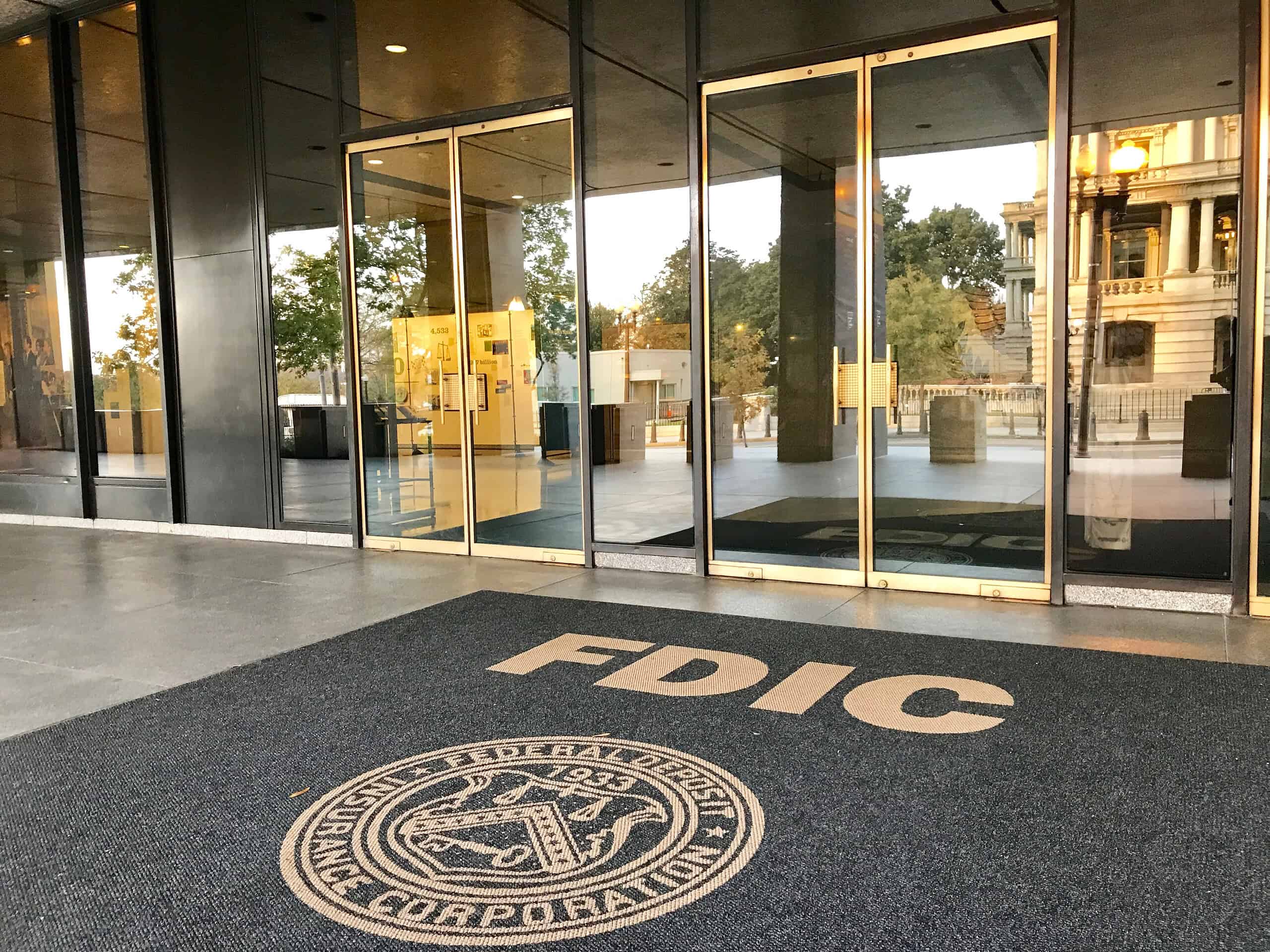
US Bank Failures Pile Up — Is It Just Noise?
Recent reports highlight a growing number of US bank failures, prompting concerns regarding financial stability.
The story
in brief.
What happened, who it affects, and why it landed on our intelligence desk — in plain English, sixty seconds or less.
Recent reports highlight a growing number of US bank failures, prompting concerns regarding financial stability. While some analysts dismiss these events as isolated incidents or market noise, others warn of potential systemic risks. The situation underscores ongoing volatility in the banking sector, driven by interest rate fluctuations and asset valuation pressures. Professionals should monitor regulatory responses and market indicators closely. This development serves as a reminder of the inherent fragility within financial institutions during periods of economic uncertainty. Understanding the underlying causes and potential ripple effects is crucial for stakeholders across the broader economy, particularly those involved in finance, risk assessment, and strategic planning within corporate environments.
Indicative index of skill mentions in professional job postings for the field this story moves (2019 = 1)
What this means
for your career.
Every headline redistributes opportunity. Here is who this one rewards — and how to be on the right side of it.
You must sharpen your focus on financial resilience and regulatory compliance. Volatility rewards those who understand risk mitigation and capital adequacy. Prioritise upskilling in risk assessment, forensic accounting, and crisis management to remain indispensable. If you work in finance, deepen your expertise in stress testing and liquidity management. For broader roles, understanding how banking instability affects credit availability and supply chains is vital. Proactively analyse your organisation’s exposure to financial sector risks. Develop scenarios for potential disruptions and communicate these insights to leadership. This demonstrates strategic foresight and positions you as a stabilising force during uncertainty. Stay informed on regulatory changes, as compliance requirements will likely tighten. Your ability to navigate this complexity will distinguish you from peers who view these events as mere background noise.
For this story, the fields that convert it into pay are Risk Management, Finance and Accounting, Business and Management and AI in Banking — exactly the programmes matched below. The chart shows the indicative salary uplift certified professionals report in each of those fields; every one of them is a click away, from £79, finishing in as few as 20 days.
Indicative ranges from published continuing-education salary studies, by field — each field is a recommended course below
Enrol in these
to benefit.
These programmes position you for exactly this shift — online, self-paced, and finishing with a verifiable certificate you can share the day you pass.
 Best match
Certificate in Risk Management
Recommended
Certificate in Finance and Accounting
 Recommended
Certificate in Business and Management
 Recommended
Certificate in AI in Banking
Launch pricing shown against standard certificate value. The fee you see today is the fee you lock in.
This briefing is based on reporting by Global Finance Magazine on 29 Oct, 06:00. Read the original coverage →
Read the news. Then outrun it.
Every LSBR programme is online, self-paced and from £79 — so a headline today can be your credential this month.
