
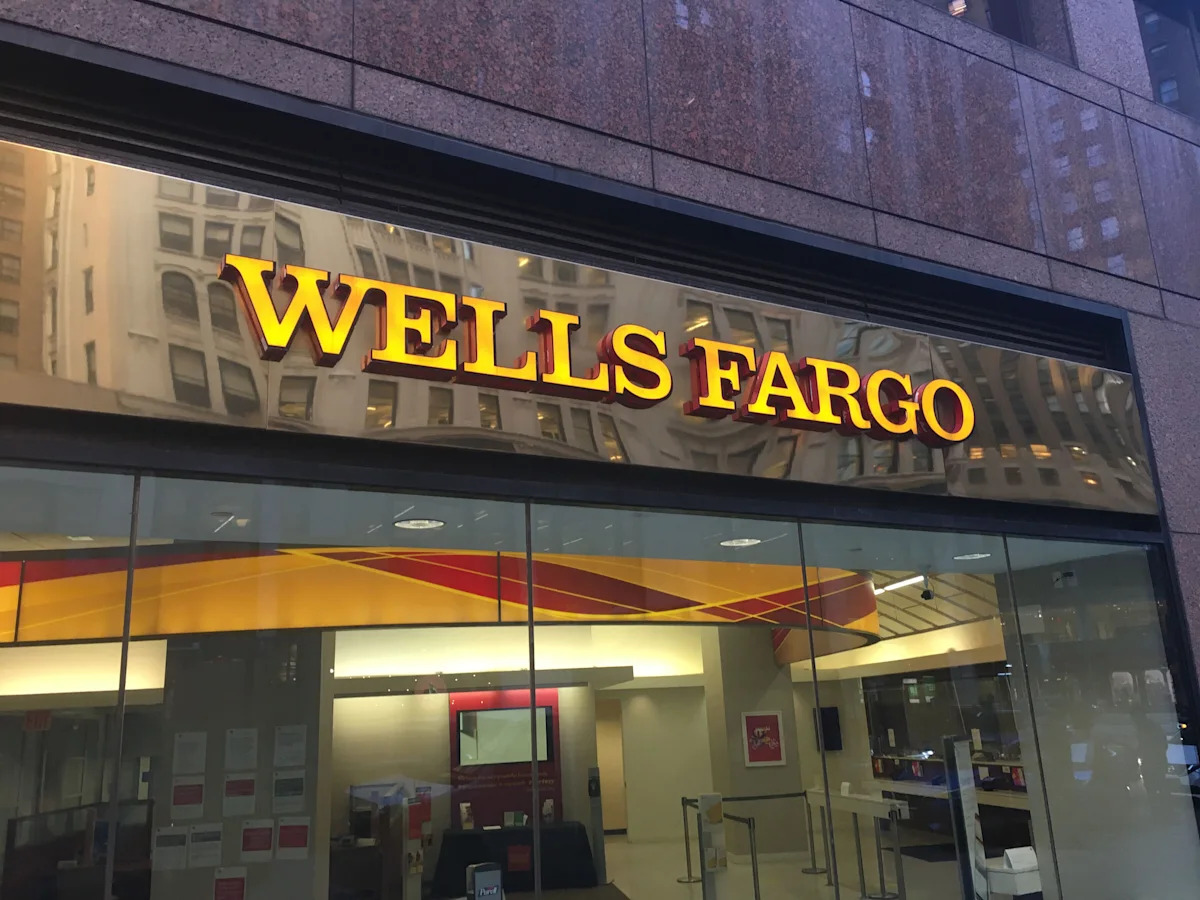
US bank stocks' longest losing streak since 2008 clashes with earnings picture
US bank equities have endured their most prolonged period of consecutive declines since the 2008 financial crisis.
The story
in brief.
What happened, who it affects, and why it landed on our intelligence desk — in plain English, sixty seconds or less.
US bank equities have endured their most prolonged period of consecutive declines since the 2008 financial crisis. This sustained downward pressure stands in stark contrast to recent corporate earnings reports, which have largely exceeded analyst expectations. The divergence suggests that market sentiment is driven by broader macroeconomic anxieties rather than immediate institutional performance. Investors appear to be pricing in potential future regulatory headwinds, interest rate volatility, or systemic credit risks that current financial statements do not yet reflect. Consequently, traditional valuation metrics are failing to capture the prevailing market pessimism, creating a complex environment where fundamental strength is being overshadowed by speculative fear and structural uncertainty.
Indicative index of skill mentions in professional job postings for the field this story moves (2019 = 1)
What this means
for your career.
Every headline redistributes opportunity. Here is who this one rewards — and how to be on the right side of it.
You must recognise that market dislocation often precedes strategic shifts in talent demand. As banks navigate this volatility, roles focused on stability and regulatory compliance gain immediate prominence. You should prioritise upskilling in risk assessment and financial analysis, as organisations will seek professionals who can interpret complex data amidst uncertainty. Monitor emerging opportunities in crisis management and strategic advisory, where experienced leaders are needed to guide institutions through turbulent periods. Rather than reacting to short-term noise, you should deepen your expertise in financial resilience and regulatory frameworks. This positions you as a critical asset capable of safeguarding institutional value. Proactively network with compliance officers and risk managers to understand their evolving priorities. Your ability to provide clarity during ambiguity will distinguish you from peers who merely follow market trends.
For this story, the fields that convert it into pay are Risk Management, Finance and Accounting, Business analysis and Strategic Sourcing — exactly the programmes matched below. The chart shows the indicative salary uplift certified professionals report in each of those fields; every one of them is a click away, from £79, finishing in as few as 20 days.
Indicative ranges from published continuing-education salary studies, by field — each field is a recommended course below
Enrol in these
to benefit.
These programmes position you for exactly this shift — online, self-paced, and finishing with a verifiable certificate you can share the day you pass.
 Best match
Certificate in Risk Management
Recommended
Certificate in Finance and Accounting
 Recommended
Certificate in Business analysis
Recommended
Certificate in Strategic Sourcing
Launch pricing shown against standard certificate value. The fee you see today is the fee you lock in.
This briefing is based on reporting by Yahoo Finance on 19 Oct, 16:54. Read the original coverage →
Read the news. Then outrun it.
Every LSBR programme is online, self-paced and from £79 — so a headline today can be your credential this month.
