
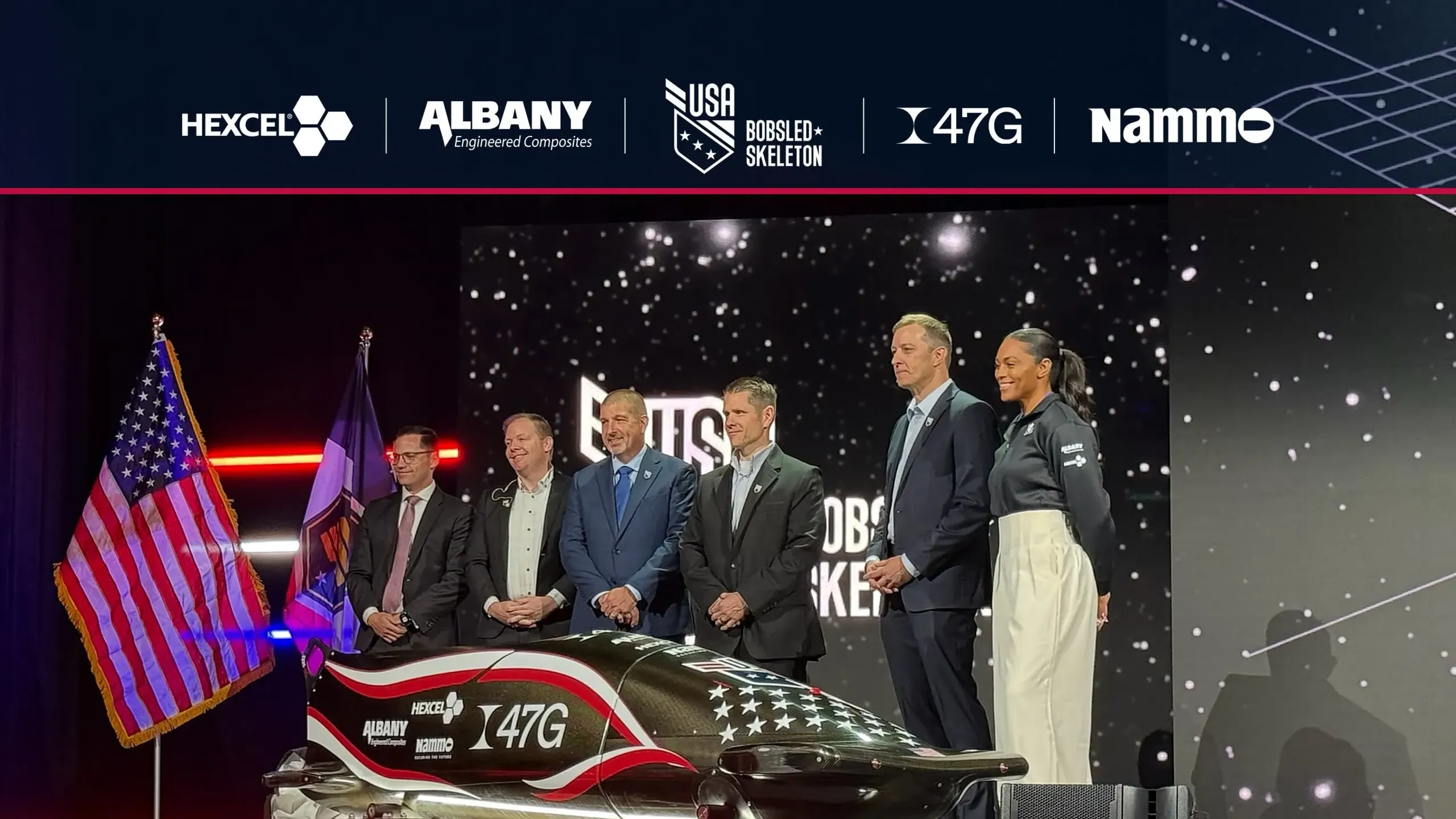
USA Bobsled looks to aerospace technology for Salt Lake City 2034
The United States bobsled programme is increasingly integrating aerospace technology to enhance performance ahead of the Salt Lake City 2034 Winter Games.
The story
in brief.
What happened, who it affects, and why it landed on our intelligence desk — in plain English, sixty seconds or less.
The United States bobsled programme is increasingly integrating aerospace technology to enhance performance ahead of the Salt Lake City 2034 Winter Games. This strategic pivot highlights a growing trend where elite sports organisations adopt advanced engineering principles and materials science traditionally reserved for aviation and space sectors. The initiative aims to optimise sled aerodynamics, weight distribution, and structural integrity through rigorous testing and data-driven design. By leveraging these high-tech solutions, the team seeks a competitive edge on the ice. This development underscores the expanding intersection between industrial engineering and athletic performance, signalling a significant shift in how sports technology is developed and applied at the professional level.
Indicative index of skill mentions in professional job postings for the field this story moves (2019 = 1)
What this means
for your career.
Every headline redistributes opportunity. Here is who this one rewards — and how to be on the right side of it.
This convergence of aerospace engineering and sports science signals that cross-disciplinary technical skills are becoming critical assets. Professionals in materials science, aerodynamics, and data analytics should note this trend, as it demonstrates demand for applying complex engineering solutions to non-traditional sectors. If you work in engineering or product design, consider upskilling in computational fluid dynamics or lightweight material composites. For project managers, understanding how to bridge the gap between high-tech R&D and practical application is increasingly valuable. You should monitor collaborations between defence, aerospace, and sports industries. To stay competitive, focus on mastering data visualisation tools and lean manufacturing principles. This shift suggests that the next frontier for innovation lies in translating high-performance industrial technology into specialised, high-stakes environments.
For this story, the fields that convert it into pay are Engineering, Data analytics, Project Management and Innovation — exactly the programmes matched below. The chart shows the indicative salary uplift certified professionals report in each of those fields; every one of them is a click away, from £79, finishing in as few as 20 days.
Indicative ranges from published continuing-education salary studies, by field — each field is a recommended course below
Enrol in these
to benefit.
These programmes position you for exactly this shift — online, self-paced, and finishing with a verifiable certificate you can share the day you pass.
 Best match
Certificate in Engineering
 Recommended
Certificate in Data analytics
Recommended
Certificate in Project Management
 Recommended
Certificate in Innovation
Launch pricing shown against standard certificate value. The fee you see today is the fee you lock in.
This briefing is based on reporting by Inside The Games on 1 Nov, 13:29. Read the original coverage →
Read the news. Then outrun it.
Every LSBR programme is online, self-paced and from £79 — so a headline today can be your credential this month.
