
VCU research propels wearable technology that could enhance health monitoring
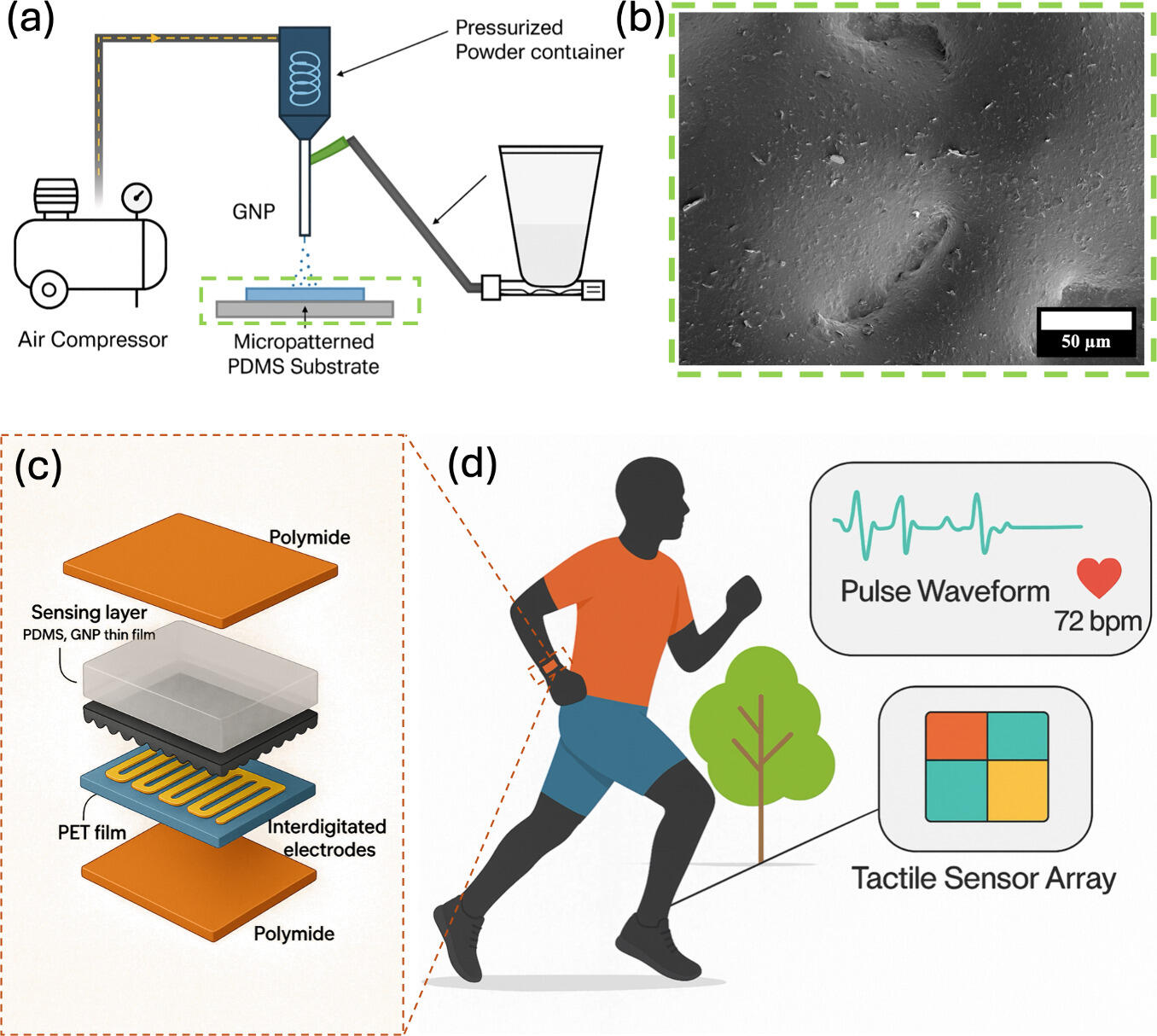
Researchers at Virginia Commonwealth University have developed advanced wearable technology designed to significantly improve continuous health monitoring capabilities.
The story
in brief.
What happened, who it affects, and why it landed on our intelligence desk — in plain English, sixty seconds or less.
Researchers at Virginia Commonwealth University have developed advanced wearable technology designed to significantly improve continuous health monitoring capabilities. The innovation focuses on enhancing the accuracy and reliability of physiological data collection, potentially transforming how patient vitals are tracked in real-time settings. This development suggests a shift towards more sophisticated, non-invasive diagnostic tools that could be integrated into everyday consumer devices or clinical environments. The research highlights the growing intersection of biomedical engineering and digital health, offering new pathways for proactive healthcare management and early disease detection through improved sensor technology and data interpretation methods.
Indicative index of skill mentions in professional job postings for the field this story moves (2019 = 1)
What this means
for your career.
Every headline redistributes opportunity. Here is who this one rewards — and how to be on the right side of it.
You should recognise that wearable tech is evolving beyond simple fitness tracking into serious clinical diagnostics. This shift elevates the value of skills in biomedical data interpretation, sensor integration, and health informatics. If you work in healthcare management or product development, you must now understand the regulatory and ethical implications of continuous patient monitoring. Smart professionals will upskill in data analytics to handle complex physiological datasets and explore certifications in digital health strategy. You should also monitor how insurance models adapt to real-time health data. Engaging with cross-functional teams in engineering and medicine will be crucial. Prioritise learning about AI-driven health insights to stay relevant in a market where preventive care technology is becoming standard.
For this story, the fields that convert it into pay are AI in Healthcare, Data analytics, Healthcare Management and Engineering — exactly the programmes matched below. The chart shows the indicative salary uplift certified professionals report in each of those fields; every one of them is a click away, from £79, finishing in as few as 20 days.
Indicative ranges from published continuing-education salary studies, by field — each field is a recommended course below
Enrol in these
to benefit.
These programmes position you for exactly this shift — online, self-paced, and finishing with a verifiable certificate you can share the day you pass.
 Best match
Certificate in AI in Healthcare
 Recommended
Certificate in Data analytics
 Recommended
Certificate in Healthcare Management
 Recommended
Certificate in Engineering
Launch pricing shown against standard certificate value. The fee you see today is the fee you lock in.
This briefing is based on reporting by VCU News on 21 Oct, 14:04. Read the original coverage →
Read the news. Then outrun it.
Every LSBR programme is online, self-paced and from £79 — so a headline today can be your credential this month.
