
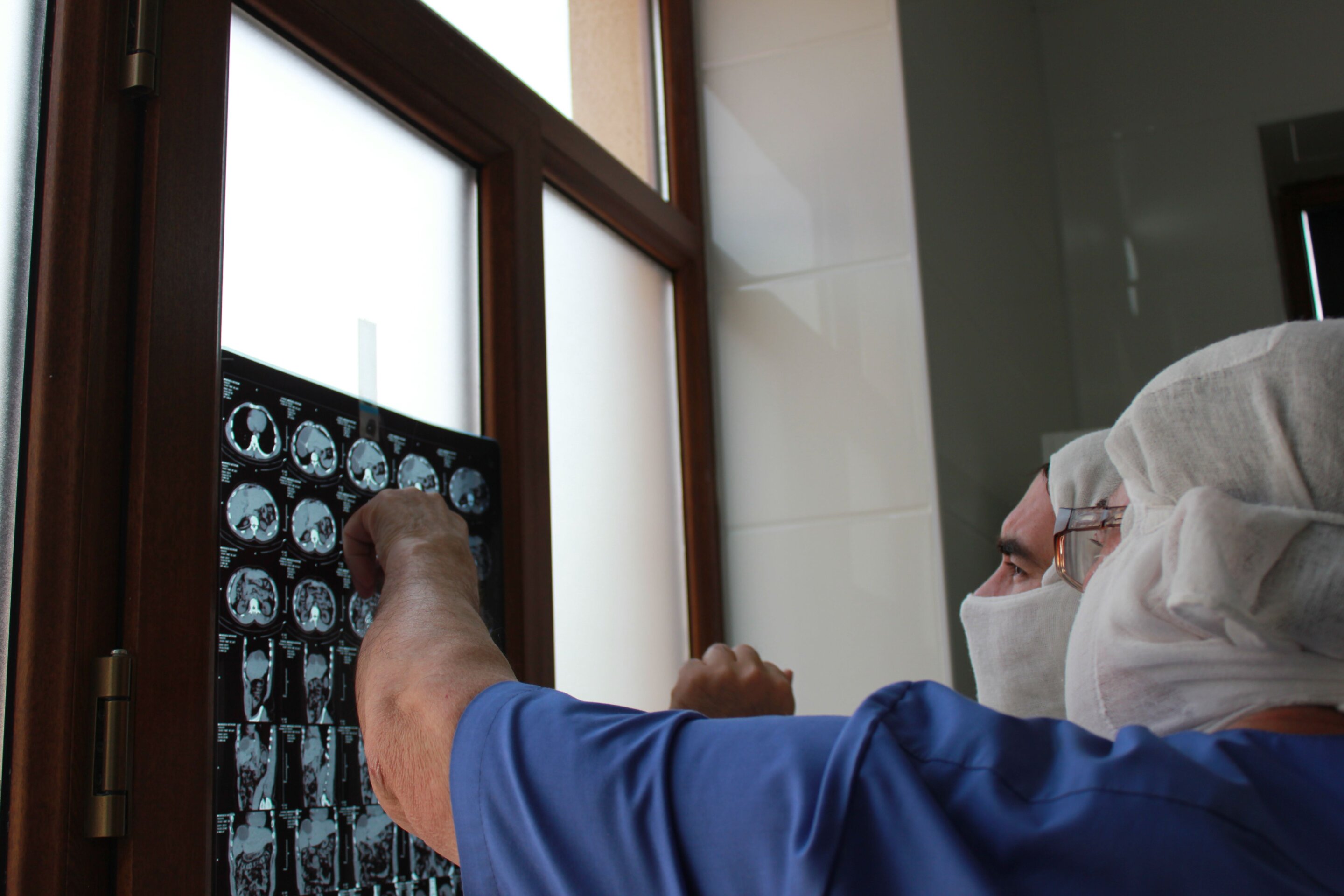
Vision-language AI agent could help radiologists interpret ultrasounds faster and more accurately
A recent report highlights the emergence of vision-language AI agents designed to assist radiologists in interpreting ultrasound images.
The story
in brief.
What happened, who it affects, and why it landed on our intelligence desk — in plain English, sixty seconds or less.
A recent report highlights the emergence of vision-language AI agents designed to assist radiologists in interpreting ultrasound images. These systems aim to enhance both the speed and accuracy of diagnostic processes by analysing visual data alongside textual medical records. The technology represents a significant step towards integrating advanced artificial intelligence into routine clinical workflows, potentially reducing human error and easing the workload for medical imaging specialists. This development underscores the growing intersection of multimodal AI and healthcare diagnostics, offering a practical tool that supports rather than replaces professional expertise in high-stakes medical environments.
Indicative index of skill mentions in professional job postings for the field this story moves (2019 = 1)
What this means
for your career.
Every headline redistributes opportunity. Here is who this one rewards — and how to be on the right side of it.
This development signals a shift where technical proficiency in AI tools becomes as critical as clinical knowledge for radiologists. Your diagnostic accuracy will increasingly depend on how effectively you collaborate with these agents. Professionals in medical imaging should prioritise understanding the limitations and operational mechanics of vision-language models to ensure patient safety. If you work in healthcare management, focus on integrating these tools into existing workflows without disrupting clinical standards. Upskill in data literacy to interpret AI outputs confidently. Start by exploring how multimodal AI impacts diagnostic reliability. Engage with training that bridges clinical practice and technology adoption. Those who adapt quickly will lead in efficiency, while laggards risk obsolescence in an increasingly automated diagnostic landscape.
For this story, the fields that convert it into pay are AI in Healthcare, Healthcare Management, Data analytics and Artificial Intelligence — exactly the programmes matched below. The chart shows the indicative salary uplift certified professionals report in each of those fields; every one of them is a click away, from £79, finishing in as few as 20 days.
Indicative ranges from published continuing-education salary studies, by field — each field is a recommended course below
Enrol in these
to benefit.
These programmes position you for exactly this shift — online, self-paced, and finishing with a verifiable certificate you can share the day you pass.
 Best match
Certificate in AI in Healthcare
 Recommended
Certificate in Healthcare Management
 Recommended
Certificate in Data analytics
 Recommended
Certificate in Artificial Intelligence
Launch pricing shown against standard certificate value. The fee you see today is the fee you lock in.
This briefing is based on reporting by Medical Xpress on 1 Nov, 17:00. Read the original coverage →
Read the news. Then outrun it.
Every LSBR programme is online, self-paced and from £79 — so a headline today can be your credential this month.
