
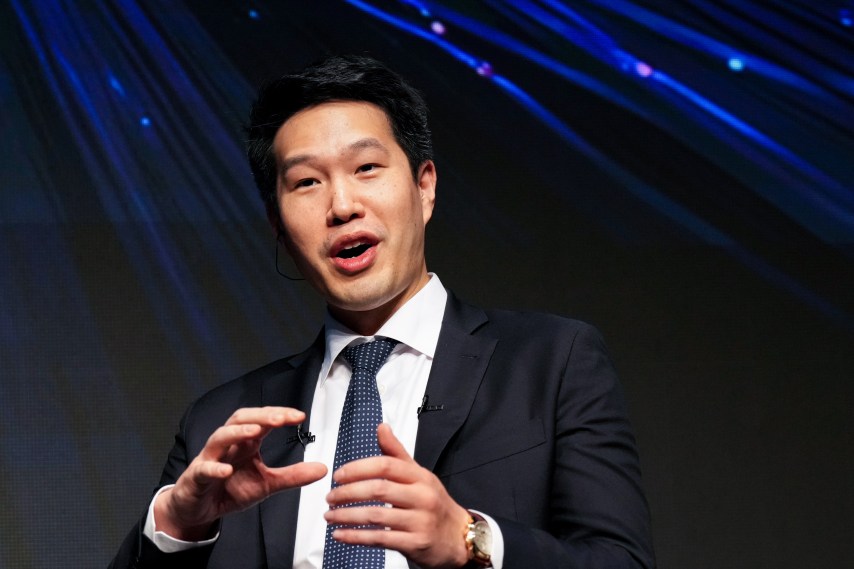
“We’re not going to shoot ourselves in the foot” over hack fallout, says OpenAI’s chief research officer
OpenAI’s chief research officer has publicly downplayed concerns regarding recent security breaches, asserting that the organisation will not compromise its strategic trajectory or safety protocols due to these incidents.
The story
in brief.
What happened, who it affects, and why it landed on our intelligence desk — in plain English, sixty seconds or less.
OpenAI’s chief research officer has publicly downplayed concerns regarding recent security breaches, asserting that the organisation will not compromise its strategic trajectory or safety protocols due to these incidents. The executive emphasised that the company remains committed to its core mission without succumbing to reactive measures that might hinder progress. This statement aims to reassure stakeholders and the public that OpenAI maintains robust oversight and control, despite external criticisms. For professionals, this signals a continued, albeit cautious, acceleration in AI deployment, suggesting that industry leaders prioritise long-term innovation over immediate, potentially restrictive, responses to isolated security failures.
Indicative index of skill mentions in professional job postings for the field this story moves (2019 = 1)
What this means
for your career.
Every headline redistributes opportunity. Here is who this one rewards — and how to be on the right side of it.
You must treat this as a signal that AI governance is evolving but not halting progress. As organisations push forward despite setbacks, demand for professionals who can balance innovation with rigorous safety protocols will surge. Focus on upskilling in risk mitigation and ethical AI implementation. You should not merely code; you must understand the strategic implications of deployment failures. Prioritise learning how to integrate security into the development lifecycle rather than treating it as an afterthought. Professionals who can articulate the business case for responsible AI will become indispensable. Start auditing your current skill set for gaps in compliance and strategic oversight. Engage with frameworks that address AI safety proactively. This is not just a technical issue; it is a leadership challenge. You need to demonstrate that you can navigate ambiguity while maintaining operational integrity and trust.
For this story, the fields that convert it into pay are AI Strategy, Risk Management, Cyber Security and Artificial Intelligence — exactly the programmes matched below. The chart shows the indicative salary uplift certified professionals report in each of those fields; every one of them is a click away, from £79, finishing in as few as 20 days.
Indicative ranges from published continuing-education salary studies, by field — each field is a recommended course below
Enrol in these
to benefit.
These programmes position you for exactly this shift — online, self-paced, and finishing with a verifiable certificate you can share the day you pass.
 Best match
Certificate in AI Strategy
 Recommended
Certificate in Risk Management
 Recommended
Certificate in Cyber Security
 Recommended
Certificate in Artificial Intelligence
Launch pricing shown against standard certificate value. The fee you see today is the fee you lock in.
This briefing is based on reporting by technologyreview.com on 30 Sep, 10:40. Read the original coverage →
Read the news. Then outrun it.
Every LSBR programme is online, self-paced and from £79 — so a headline today can be your credential this month.
