
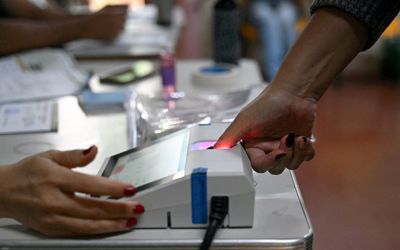
What Biometrics Do and Don't Add to Elections
This report examines the practical utility and limitations of biometric technologies within electoral systems.
The story
in brief.
What happened, who it affects, and why it landed on our intelligence desk — in plain English, sixty seconds or less.
This report examines the practical utility and limitations of biometric technologies within electoral systems. It highlights how fingerprint and facial recognition aim to streamline voter verification while addressing persistent concerns regarding data privacy, algorithmic bias, and system reliability. The analysis clarifies that biometrics do not automatically resolve fundamental democratic challenges or eliminate all forms of fraud. Instead, they introduce complex technical and ethical considerations that require careful implementation. For professionals, the story underscores the necessity of understanding both the technological capabilities and the societal implications of deploying such sensitive systems in public infrastructure.
Indicative index of skill mentions in professional job postings for the field this story moves (2019 = 1)
What this means
for your career.
Every headline redistributes opportunity. Here is who this one rewards — and how to be on the right side of it.
You must recognise that biometric integration creates urgent demand for specialists who bridge technical expertise with regulatory compliance. Roles in data governance, ethical AI auditing, and public sector technology strategy will see increased value. If you work in government, cybersecurity, or data science, you should immediately review current privacy frameworks and algorithmic accountability standards. A smart professional would upskill in risk management and technical ethics to advise organisations on compliant deployment. Focus on understanding the intersection of hardware security and user trust. This shift means you cannot rely solely on technical proficiency; you must also articulate the societal impact of your work to stakeholders who prioritise democratic integrity.
For this story, the fields that convert it into pay are Cyber Security, Risk Management, Public Administration and Data Science — exactly the programmes matched below. The chart shows the indicative salary uplift certified professionals report in each of those fields; every one of them is a click away, from £79, finishing in as few as 20 days.
Indicative ranges from published continuing-education salary studies, by field — each field is a recommended course below
Enrol in these
to benefit.
These programmes position you for exactly this shift — online, self-paced, and finishing with a verifiable certificate you can share the day you pass.
 Best match
Certificate in Cyber Security
 Recommended
Certificate in Risk Management
 Recommended
Certificate in Public Administration
Recommended
Certificate in Data Science
Launch pricing shown against standard certificate value. The fee you see today is the fee you lock in.
This briefing is based on reporting by IEEE Spectrum on 22 Oct, 07:00. Read the original coverage →
Read the news. Then outrun it.
Every LSBR programme is online, self-paced and from £79 — so a headline today can be your credential this month.
