
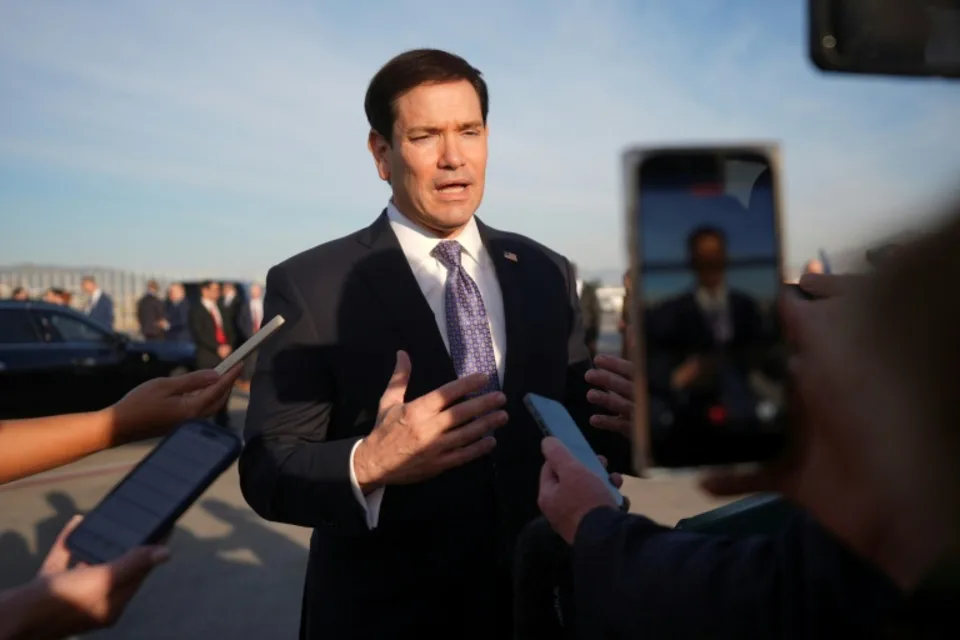
What is holding up the US-India trade deal?
Recent reports indicate that the proposed US-India trade agreement faces significant delays due to unresolved tariff disputes and regulatory divergences.
The story
in brief.
What happened, who it affects, and why it landed on our intelligence desk — in plain English, sixty seconds or less.
Recent reports indicate that the proposed US-India trade agreement faces significant delays due to unresolved tariff disputes and regulatory divergences. Key sticking points include agricultural access, digital services taxation, and intellectual property protections. Both nations are engaged in complex negotiations, with domestic political pressures in Washington and New Delhi further complicating consensus. The timeline for finalisation remains uncertain, prompting businesses to reassess supply chain strategies and market entry plans. This development highlights the ongoing friction between economic integration goals and protectionist policies, creating a volatile environment for cross-border commerce and investment decisions in the near term.
Indicative index of skill mentions in professional job postings for the field this story moves (2019 = 1)
What this means
for your career.
Every headline redistributes opportunity. Here is who this one rewards — and how to be on the right side of it.
You must adapt to heightened trade volatility by strengthening your expertise in international commerce and regulatory compliance. Professionals in supply chain, finance, and strategic management should prioritise skills in risk mitigation and cross-cultural negotiation. Focus on understanding bilateral trade frameworks and tariff structures to advise your organisation effectively. Develop agility in sourcing strategies to navigate potential disruptions. Engage with industry associations to monitor policy shifts. A smart move is to upskill in strategic sourcing and business analysis, enabling you to identify alternative markets and optimise operational resilience. Proactively address these geopolitical complexities to position yourself as a critical advisor in an increasingly fragmented global economy.
For this story, the fields that convert it into pay are Strategic Sourcing, Risk Management, Business analysis and Supply Chain — exactly the programmes matched below. The chart shows the indicative salary uplift certified professionals report in each of those fields; every one of them is a click away, from £79, finishing in as few as 20 days.
Indicative ranges from published continuing-education salary studies, by field — each field is a recommended course below
Enrol in these
to benefit.
These programmes position you for exactly this shift — online, self-paced, and finishing with a verifiable certificate you can share the day you pass.
 Best match
Certificate in Strategic Sourcing
 Recommended
Certificate in Risk Management
Recommended
Certificate in Business analysis
Recommended
Certificate in Supply Chain
Launch pricing shown against standard certificate value. The fee you see today is the fee you lock in.
This briefing is based on reporting by Yahoo Finance UK on 18 Oct, 03:20. Read the original coverage →
Read the news. Then outrun it.
Every LSBR programme is online, self-paced and from £79 — so a headline today can be your credential this month.
