
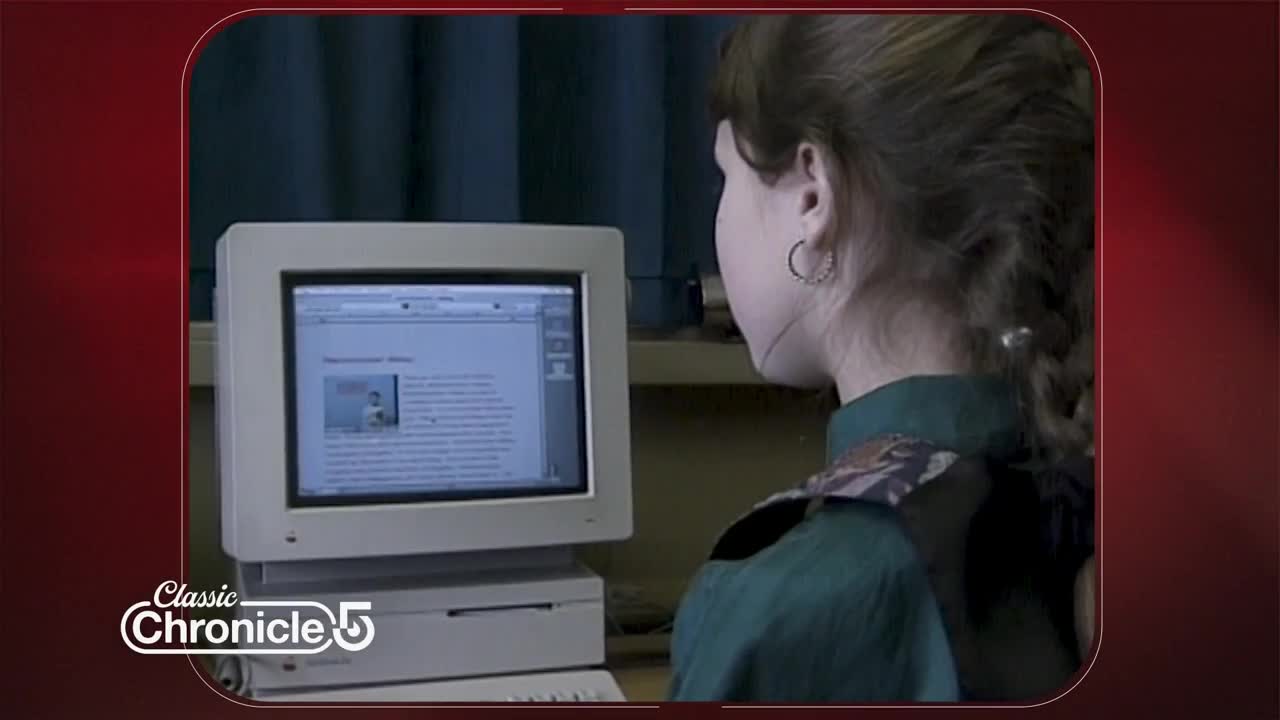
When interactive technology was changing classrooms in 1992
This report examines the historical introduction of interactive technology into educational settings during 1992.
The story
in brief.
What happened, who it affects, and why it landed on our intelligence desk — in plain English, sixty seconds or less.
This report examines the historical introduction of interactive technology into educational settings during 1992. It highlights how early digital tools began transforming traditional classroom dynamics, marking a pivotal shift in pedagogical methods. The coverage provides context on the technological landscape of the early nineties and its initial impact on teaching practices, offering a retrospective view on the evolution of educational innovation.
Indicative index of skill mentions in professional job postings for the field this story moves (2019 = 1)
What this means
for your career.
Every headline redistributes opportunity. Here is who this one rewards — and how to be on the right side of it.
While this narrative is historical, it underscores the enduring importance of digital adaptability in professional environments. You must recognise that technology adoption cycles repeat across industries. Professionals in training and development should study these early shifts to anticipate future educational trends. Focus on acquiring skills in instructional design and digital literacy. Understand how interactive tools enhance engagement and learning outcomes. By analysing past transitions, you can better position yourself to lead modern educational technology initiatives. Prioritise continuous learning and embrace new platforms early. This historical perspective helps you navigate current digital transformations with confidence, ensuring you remain relevant as workplace training evolves rapidly.
For this story, the fields that convert it into pay are Education, AI in Education, Business and Management and Innovation — exactly the programmes matched below. The chart shows the indicative salary uplift certified professionals report in each of those fields; every one of them is a click away, from £79, finishing in as few as 20 days.
Indicative ranges from published continuing-education salary studies, by field — each field is a recommended course below
Enrol in these
to benefit.
These programmes position you for exactly this shift — online, self-paced, and finishing with a verifiable certificate you can share the day you pass.
 Best match
Certificate in Education
 Recommended
Certificate in AI in Education
 Recommended
Certificate in Business and Management
 Recommended
Certificate in Innovation
Launch pricing shown against standard certificate value. The fee you see today is the fee you lock in.
This briefing is based on reporting by WCVB on 27 Oct, 19:31. Read the original coverage →
Read the news. Then outrun it.
Every LSBR programme is online, self-paced and from £79 — so a headline today can be your credential this month.
