
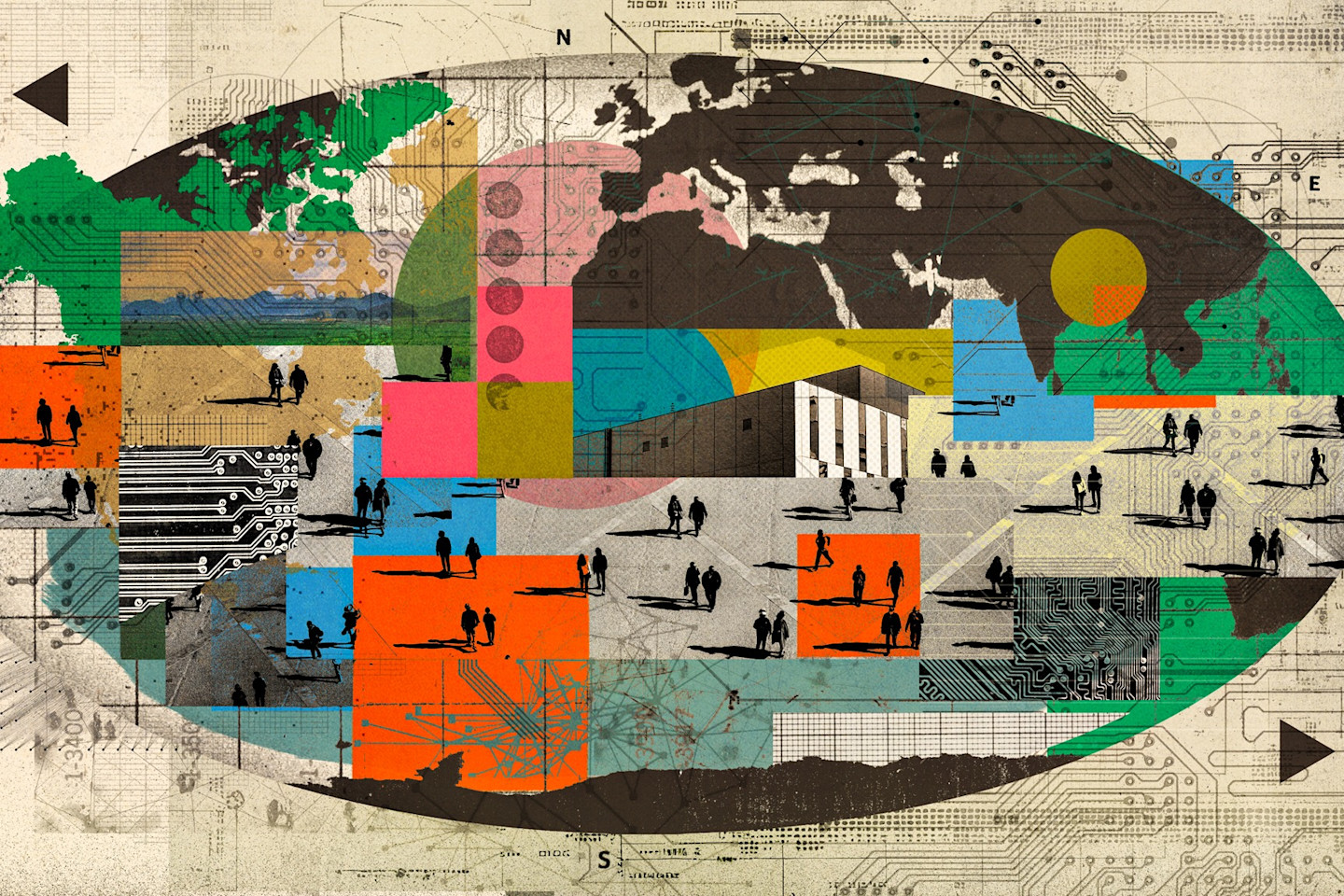
Why does America hate AI?
The Financial Times examines the growing scepticism towards artificial intelligence across the United States.
The story
in brief.
What happened, who it affects, and why it landed on our intelligence desk — in plain English, sixty seconds or less.
The Financial Times examines the growing scepticism towards artificial intelligence across the United States. The report highlights public anxiety regarding job displacement, data privacy, and ethical concerns, contrasting technological optimism with widespread cultural resistance. This tension suggests that AI adoption will face significant societal and regulatory hurdles, rather than proceeding unimpeded. For professionals, this indicates a complex landscape where technical capability must be balanced with public trust and ethical governance. Understanding these underlying fears is crucial for navigating the evolving workplace, as organisations increasingly prioritise responsible implementation over rapid, unchecked deployment of automated systems.
Indicative index of skill mentions in professional job postings for the field this story moves (2019 = 1)
What this means
for your career.
Every headline redistributes opportunity. Here is who this one rewards — and how to be on the right side of it.
This scepticism means your technical skills alone are insufficient; you must now demonstrate ethical judgement and communication prowess. Roles requiring human oversight, bias mitigation, and stakeholder management will rise in value. Pay close attention if you operate in regulated sectors or client-facing positions, as trust becomes your primary currency. A smart professional immediately integrates ethical AI frameworks into their daily workflow and articulates the human-centric benefits of automation. Do not merely adopt tools; champion responsible usage. Develop the ability to explain complex algorithms to non-technical audiences, thereby bridging the gap between innovation and public acceptance. Prioritise courses that blend technical literacy with strategic governance to future-proof your career against regulatory backlash and public distrust.
For this story, the fields that convert it into pay are AI Strategy, Risk Management, Business and Management and Human Resources — exactly the programmes matched below. The chart shows the indicative salary uplift certified professionals report in each of those fields; every one of them is a click away, from £79, finishing in as few as 20 days.
Indicative ranges from published continuing-education salary studies, by field — each field is a recommended course below
Enrol in these
to benefit.
These programmes position you for exactly this shift — online, self-paced, and finishing with a verifiable certificate you can share the day you pass.
 Best match
Certificate in AI Strategy
 Recommended
Certificate in Risk Management
 Recommended
Certificate in Business and Management
 Recommended
Certificate in Human Resources
Launch pricing shown against standard certificate value. The fee you see today is the fee you lock in.
This briefing is based on reporting by Financial Times on 7 Nov, 05:01. Read the original coverage →
Read the news. Then outrun it.
Every LSBR programme is online, self-paced and from £79 — so a headline today can be your credential this month.
